
If you have diabetes, something as small as cracked skin or a callus on your foot can become a much bigger problem if it goes unnoticed. Diabetic foot ulcers occur when the skin breaks down and creates an open wound, and for people with diabetes, these wounds can be especially difficult to heal.
According to podiatrist Dr. Po Raval, understanding why these ulcers develop and checking your feet regularly can help you catch problems before they become more serious.
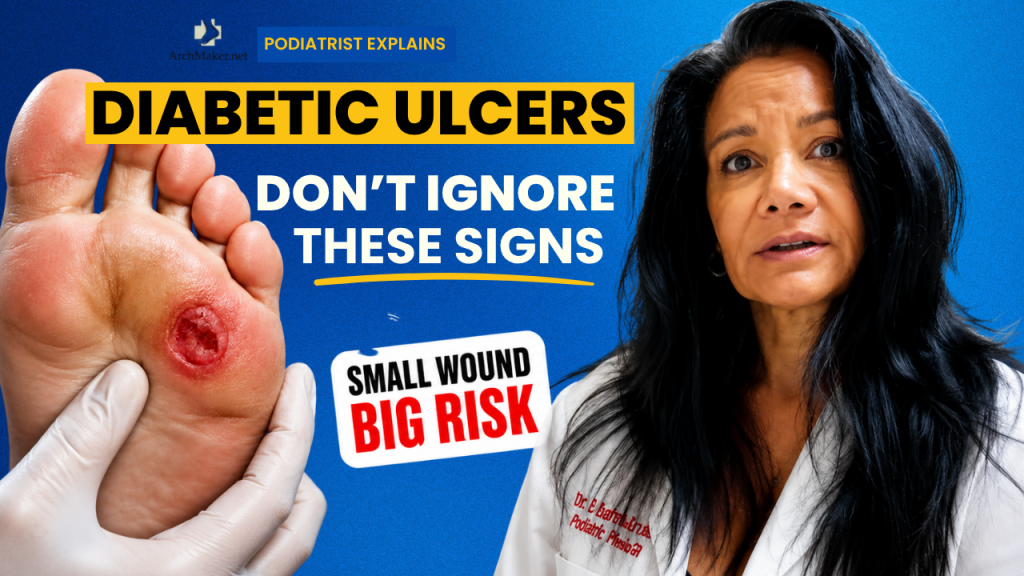
Why Do Diabetic Foot Ulcers Develop?
People with diabetes can be more prone to foot ulcers for three main reasons:
Poor circulation: Reduced blood flow can make it more difficult for damaged skin to heal.
Neuropathy: Decreased sensation in the feet can make it harder to feel a cut, crack, blister, or other injury when it happens.
Slower healing: High blood sugar levels can interfere with the body’s ability to heal damaged tissue.
When these factors occur together, a seemingly minor foot problem can progress without you realizing it.
Why Diabetic Foot Ulcers Can Become Serious
The biggest concern with diabetic foot ulcers is infection. Once the skin has broken down, an infection can develop and potentially spread.
This is why Dr. Raval emphasizes prevention and early intervention, especially if you have decreased sensation in your feet.
Check Your Feet Every Day
If you have diabetes, make a habit of looking at your feet every day, particularly if neuropathy makes it difficult to feel changes.
Watch for cracked skin, calluses, areas of skin breakdown, or wounds that aren’t healing properly.
If you notice these changes, schedule an evaluation with a podiatrist. Addressing callused or damaged skin early may help prevent it from progressing into an ulcer.
Your feet may not always hurt when something is wrong. Don’t wait for pain to be your warning sign.
Visit Archmaker.net for more expert foot health information from Dr. Po Raval.